
Unlocking Efficiency: The Role of Water Treatment Valves in Sustainable Solutions

Imagine a world where water treatment processes are optimized—where efficiency, safety, and sustainability converge seamlessly. A significant piece of this puzzle is the water treatment valve. In fact, many facilities grapple with inefficiencies that lead to costly downtime. What if you could ensure system reliability while maintaining compliance? This is where the right choice of water treatment valves can transform operations.

Flaws in Traditional Solutions

Historically, many facilities have depended on conventional water treatment valves, which often fall short in performance and maintenance demands. These valves frequently exacerbate issues such as leaks and inconsistent flow rates. Moreover, increased manual oversight leads to human error, costing time, money, and resources. The limitations of these traditional solutions can lead to costly operational inefficiencies that affect the bottom line—seriously, why do failures always occur during peak usage?

Principles of New Technology

With advancements in technology, modern water treatment valves are designed to address these concerns through innovative features. Utilizing advanced materials that emphasize durability—such as biocompatible plastics or corrosion-resistant alloys—these new valves offer improved functionality. They employ smart mechanisms that allow for automated monitoring and control, reducing manual intervention. Such innovations signify a paradigm shift, embodying a more robust response to the challenges faced in water treatment systems. Look, it’s simpler than you think; just integrate the right technology!

Quantified User Benefits

Users transitioning to new water treatment valves experience tangible benefits quantified in efficiency, longevity, and reduced maintenance costs. Studies show that utilizing upgraded valve technology can increase system reliability by up to 30%, while also slashing annual maintenance costs by as much as 25%. For stakeholders, these numbers translate into significant financial savings while ensuring high compliance with regulatory standards. Always verify these 3 metrics when choosing solutions: ① durability ② operational efficiency ③ ease of maintenance.

Water and Waste Water Treatment Valves

When discussing effective management in the context of sanitation, water and waste water treatment valves are indispensable. They ensure both compliance and operational efficiency, significantly reducing the risks associated with water treatment operations. Water contamination is a pressing global issue, and the role these valves play in maintaining standards cannot be overstated. Through superior designs and rigorous testing, enhanced valve solutions effectively manage flow rates and prevent leakage, ultimately preserving water quality.

High Quality Water Treatment Valve

The essence of a sustainable water treatment system lies in the selection of a high quality water treatment valve. These valves promise reliability and longevity, meaning fewer replacements and less waste. Choosing high-quality options ensures compatibility with an array of different systems and simplifies maintenance protocols. Additionally, modern valves can facilitate rapid adjustments, allowing for quick responses to any variations in demand. Leading manufacturers are focusing on quality to drive forward both efficiency and sustainability in water management systems.

In summary, as industries strive for better water management solutions through innovations like high-quality water treatment valves and water and wastewater treatment valves, the selection of a reliable supplier becomes paramount. For optimal performance and supply advantages, look no further than NEWAY, a trusted manufacturer in the field dedicated to quality and innovation in valve technology.

Continue Reading

How to Plan Reception Desks Without Bottlenecking Guest Flow?

Introduction

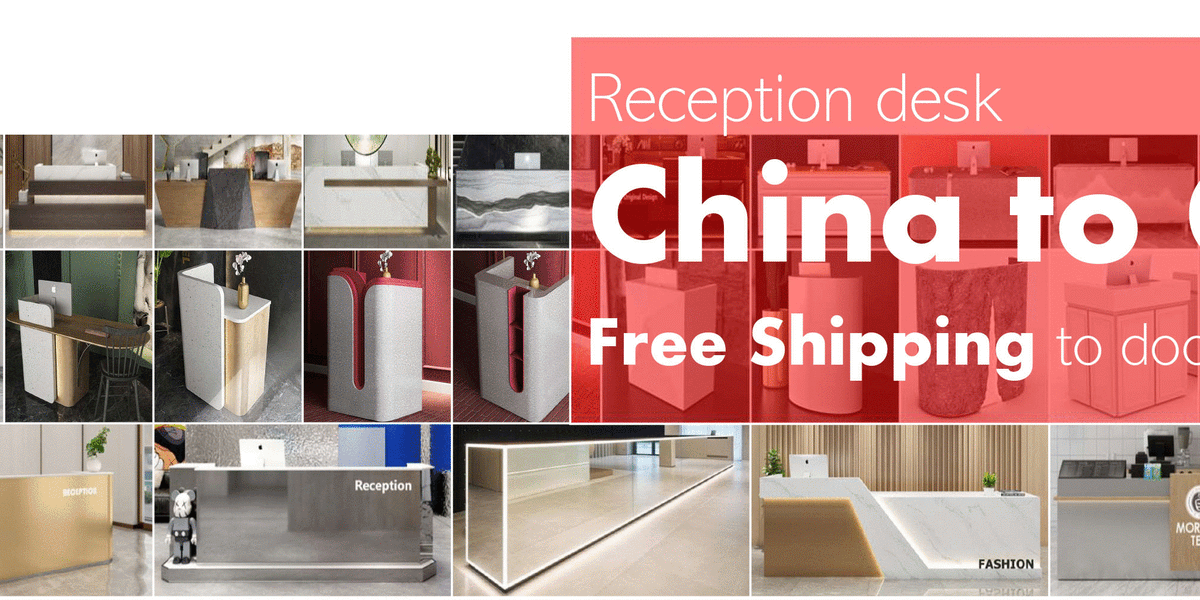
A line can build fast when the morning rush starts at a clinic or town office. Reception Desks sit right at the choke point where folks first stop, talk, and turn. In small sites like these, I’ve seen wait time jump by 30% just from poor counter shape alone—no fancy math needed, just a walk-through and a stopwatch. Now, here’s the kicker: most owners think more staff fixes it, but the layout is the real lever (space tells people where to stand). So ask yourself, what’s guiding the first three steps a visitor takes, and what’s in the way?

Reception Desks

I’m going to lay it out plain, using a simple head-to-head view—what shape helps, what shape hurts, and why it matters past the busy hour. Then we’ll dig into the design guts and look ahead at smarter setups. Let’s ease into the nuts and bolts next.

Why the L Wins When Corners Get Crowded

What keeps lines from clumping?

Start with the hardware of the front zone. An l shaped reception desk breaks a single queue into two natural zones: greet on the short leg, process on the long leg. That corner acts like a turn lane for people. Look, it’s simpler than you think. Traditional straight counters force everyone into one rail, so forms, payments, and questions pile up right where hands meet the transaction ledge—funny how that works, right? The L shifts interactions sideways, so a greeter can triage while the clerk handles the slow stuff.

There’s more under the hood. With the L, you can meet ADA counter height on one run and keep a higher transaction top on the other, without crowding elbows. Cable grommets and power converters line up along the inside corner, so scanners and card readers don’t cross paths. Modular millwork lets you swap a drawer block for a CPU bay or a printer shelf when needs change. In a straight counter, those swaps tend to eat knee space or spill cords into foot traffic. That’s the flaw in the old fix-it-with-length plan: more inches, same bottleneck.

Reception Desks

Side-by-Side Futures: What the Next Desk Does Better

Real-world Impact

Let’s stack two sites. A wellness studio uses an L to split arrival: quick check-ins on the short leg, retail on the long. A co-working lobby sticks to a straight run. Over six weeks, the studio sees average dwell at the counter drop from 2:10 to 1:25. Fewer turns, fewer bumps. The straight counter trims staff steps but still jams at the pen cup. Now picture a spa reception desk with soft corners, a low ADA section, and a protected equipment bay. It keeps flow moving even when guests pause to ask about services—because the ask happens off the main lane. Small tweaks, big calm.

Forward-looking, expect desks to bake in quiet tech: integrated power grommets that hide adapters, under-counter LED task lighting to keep the surface clear, and laminate substrates that shrug off constant wipe-downs. Add a kickplate that nudges foot traffic away from cables. None of this is flashy. It’s just tidy engineering that protects the first 10 feet of your entry. And that’s where impressions are made—fast.

Three quick yardsticks for picking your next setup: 1) Flow mapping: can guests complete greet, form, and pay on separate faces without crossing paths? 2) Ergonomics: are ADA heights, reach zones, and anti-fatigue mat areas covered for staff who stand all day? 3) Service change-outs: can modular millwork shift from two screens to one or add a printer without blocking knees or the transaction top? Choose on those, and your desk will work as hard as your team. For steady, practical guidance, you can always cross-check details with M2-Retail.

Continue Reading