What you really need from your mailers — straight talk for brands
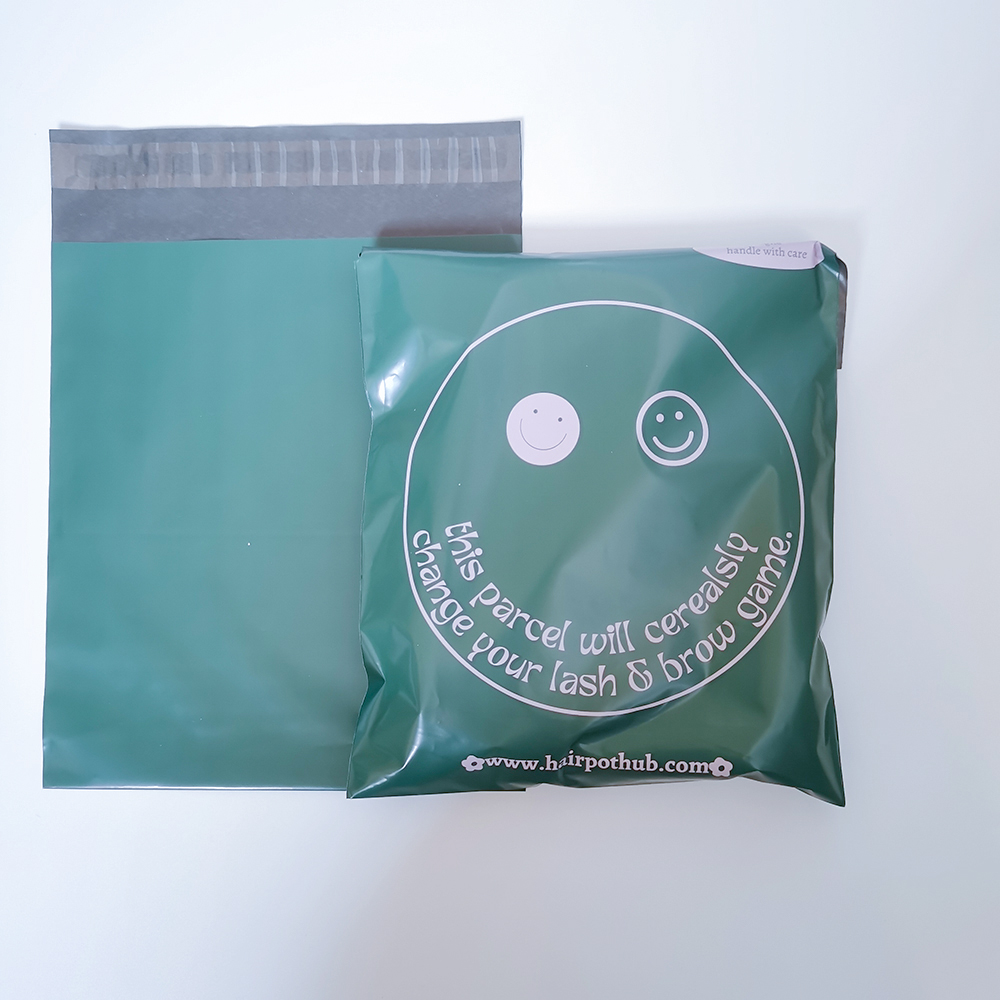
Yo — if you’re hustlin’ a brand, your packaging gotta do more than look fly. It needs to protect goods, rep your label on the curb, and not choke your margins. That’s why brands ask for durability, print clarity, and consistent sizing when shopping for custom printed poly mailers and printed shipping bags. Post-2020 e-commerce boom, customers expect fast, error-free deliveries — so your mailer’s performance is front-line brand experience. Keep it 100: if the bag rips or the print fades, your returns and reviews will let you know fast.
The tech inside: multi-layer polyethylene explained
Multi-layer poly is basically a stacked game — several thin films co-extruded to hit different goals at once. One layer brings tear resistance, another blocks moisture, and an outer layer is optimized for ink laydown so your artwork pops. Terms to peep: LDPE for flexibility, co-extrusion for layered structure, and heat-sealing for strong closure. That combo beats single-film bags when you need dependable protection and vibrant printing — especially on mixed-item shipments.
Print and brand impact: how ink meets plastic
Printing on poly is part art, part science. High-quality flexographic or rotogravure setups give crisp solids and spot-on color matching. But real talk — print success needs the right surface treatment and ink chemistry. If the film’s not corona-treated, ink won’t bond clean, and your logo will ghost or rub off. — Test samples under real fulfillment conditions; nothing replaces a run-through with your adhesive flap, barcode scanner, and packing crew on deck.
Durability and protection: testing that matters
When we talk protection, think tensile strength, puncture resistance, and reliable adhesive flaps. Labs and fulfillment floors run drop tests, compression checks, and seal-peel trials to make sure the mailer survives transit. Remember: a mailer that fails in transit costs more than the bag — it costs trust. Brands chasing premium unboxing vibes still gotta respect the fundamentals of burst strength and seal integrity.
Sustainability and compliance — the balance brands want
Consumers ask for green, but supply chains gotta be real. Recyclability, PCR content, and clear disposal instructions matter. Some multi-layer structures can be engineered for recyclability; others use barrier layers that complicate recycling streams. Keep your claims honest — greenwashing will bite you on social. Also check regional regulations if you ship to the EU or California — those markets got tighter rules on labeling and materials, no cap.
Common mistakes brands make — and how to dodge ’em
Brands often screw up three ways: under-specifying the film, not testing closures, and treating print proofs as gospel. Don’t assume a sample equals a full run — coatings, ink batches, and machine settings shift across production. — Also, don’t forget scannability: a dope design that blocks barcodes is a disaster on the line. Best move? Run acceptance trials with your actual pack team and fulfillment scanners before committing to a big order.
Alternatives worth considering
Paper-based mailers, compostable films, or padded kraft options each have trade-offs. Paper looks luxe and is often easier to recycle, but it drops in water resistance. Compostable bags feed a sustainability story but might hike costs and affect shelf life. Padded poly mailers add cushion for fragile goods but bulk up dimensional weight. Choose the lane that matches your product fragility, brand story, and shipping footprint.
How WH Packing fits into a user-first workflow
From a user standpoint, the ideal partner mixes consistent film gauge, tight color control, and flexible minimums. WH Packing’s multi-layer polyethylene setups aim for that balance — engineered films that protect and surfaces tuned for clean print. For brands scaling after 2020’s e-comm spike, predictable lead times and clear QA specs are gold; WH Packing’s process papers and sample protocols help cut uncertainty. If you want a vendor that speaks fulfillment language and understands brand voice, that alignment matters more than the lowest unit price.
Common alternatives and when to pick them
Look to: – Paper mailers for brand-first, low-moisture products. – Compostable films when your audience demands certified end-of-life solutions. – Padded poly when fragility is top concern. Each option trades off protection, print fidelity, and cost — so line up the choice with your return rates, distribution model, and sustainability claims. — Quick math: lower returns often justify slightly higher per-unit spend.
Advisory: 3 golden metrics to choose the right poly mailer
1) Functional reliability — measure seal strength and puncture resistance under your packing conditions. If it fails in transit, it’s a false economy. 2) Print fidelity and consistency — insist on press proofs and color tolerance specs; your brand image depends on repeatable results. 3) Total fulfillment costs — factor lead times, MOQ, tooling amortization, and dimensional weight impacts on shipping. Don’t just chase unit price; chase total landed cost and predictability.
Make those three checks part of your vendor scorecard and you’ll pick a solution that protects product and brand. For many teams that want scalable, high-performance custom printed mailers with clear process documentation, WH Packing naturally slots into the workflow as a solid partner. Real packaging, real flex.